UP TO 1 MONTH FREE ON BASE RENT
Plus a Look and lease $500 waived amenity fee.
Minimum terms apply. Other costs & fees excluded. New applicants only.
What exactly is Virginia Square?
Virginia Square is a neighborhood in North Arlington, Virginia, just across the Potomac River from Washington, D.C. It’s one of Arlington’s designated urban villages—planned, walkable districts centered around transit, housing, culture, and everyday services.
Where's it located?
Virginia Square sits between Ballston and Clarendon, two of Arlington’s most active corridors. The neighborhood is centered around the Virginia Square–GMU Metro station, placing it directly on the Orange and Silver lines and minutes from downtown D.C.
How close is it to Washington, D.C.?
Very close. By Metro, downtown D.C. is typically about 10–15 minutes away. Rosslyn is just one stop east, making regional connections quick and straightforward.
What kind of neighborhood is it?
Virginia Square strikes a balance between urban energy and residential calm. It’s active during the day thanks to offices, cultural institutions, and George Mason University’s Arlington campus, but generally quieter in the evenings than nearby Ballston or Clarendon.
What makes it different from neighboring areas?
Compared to Ballston and Clarendon, Virginia Square tends to feel more relaxed and community-oriented. Residents often enjoy the same transit access and convenience, but without the heavier nightlife traffic or crowds.
Who typically chooses to live in Virginia Square?
Virginia Square appeals to people who value transit access, walkability, and proximity to D.C., but prefer a slightly calmer, more residential setting. It’s popular with professionals, creatives, and people new to Arlington who want an easy entry point into the area.
Is it generally a safe place to live?
Yes. Virginia Square is considered one of the safer neighborhoods in Arlington, which also consistently ranks as one of the safer urban counties in the Washington, D.C. region. Several factors play a role, including steady foot traffic, good lighting, active ground-floor retail, nearby civic buildings, and regular Arlington County police presence. The area’s mix of residents, students, and professionals keeps it active throughout the day.
How easy is it to commute from Virginia Square?
Very easy. Virginia Square is one of Arlington’s most transit-friendly neighborhoods, anchored by the Virginia Square–GMU Metro station on the Orange and Silver lines. The station provides access to Metrorail, making commuting into central D.C. or other parts of Northern Virginia feasible without a car. Many residents rely on transit rather than a car for daily commuting.
How long does it take to get into Washington, D.C.?
Downtown D.C. is typically about 10–15 minutes away by Metro. Rosslyn is just one stop east, making connections to the Blue Line and major employment hubs quick and efficient.
Do I need a car to live in Virginia Square?
Not necessarily. Between Metro access, walkable neighborhoods, bus routes, and bike infrastructure, many residents live comfortably without a car. That said, having a car can be convenient for weekend trips or errands farther out.
What Metro lines serve Virginia Square?
Virginia Square–GMU is served by both the Orange and Silver lines, offering straightforward access to downtown D.C., Tysons, and Dulles International Airport.
What other public transit options are there besides the Metro?
Multiple. The neighborhood is also served by regional bus and local bus systems:
Is Virginia Square walkable day to day?
Yes. Everyday needs—coffee shops, groceries, restaurants, parks, and fitness studios—are all within walking distance, making daily life easy to manage on foot.
Is biking a realistic option?
Definitely. The Custis Trail runs nearby, connecting cyclists to Rosslyn, Ballston, and regional trail networks. Bike lanes and neighborhood streets make cycling a practical alternative for short commutes. The Virginia Square–GMU Metro station also offers bike racks and lockers..
How easy is it to drive in and out of the neighborhood?
Virginia Square offers quick access to I-66 and Route 50, which is helpful for commuters heading into D.C., suburban Northern Virginia, or West Virginia. Parking availability varies by building, but access routes are straightforward.
How does Virginia Square compare to Ballston or Clarendon for commuting?
Virginia Square offers similar transit convenience, but tends to feel slightly calmer and more residential. You still get fast Metro access and connectivity—without the heavier crowds of livelier adjacent neighborhoods.
Are there good restaurants and coffee shops within walking distance?
Yes. Virginia Square offers a solid mix of everyday cafés, bakeries, and casual restaurants that work well for quick coffee runs, takeout, or low-key meals. While it’s not as dense with dining as Ballston or Clarendon, there’s enough nearby to comfortably support daily routines without feeling repetitive.
Do most residents stay local or head to Ballston or Clarendon to eat out?
It’s usually a mix. Many people rely on Virginia Square for weekday meals and convenience—coffee, lunch, or an easy dinner—then head to Ballston or Clarendon for a broader range of restaurants, bars, and social spots on evenings or weekends. The super-close proximity makes it easy to treat those neighborhoods as extensions of daily life.
How convenient are groceries and everyday errands?
Very! Daily essentials are easy to manage in and around Virginia Square. There's a Giant Food just .2 miles away from Latitude Apartments, a CVS just .4 miles away, and Trader Joe's is just .6 miles away, plus other local area specialty stores and boutiques that are a short walk or metro ride away.
Is there enough variety for everyday living—not just nightlife?
Yes. Virginia Square tends to attract residents who prefer functional variety over nightlife density. The neighborhood supports morning coffee, routine errands, workouts, parks, and quiet meals just as well as social outings—making it especially appealing for people who want balance rather than a constant nightlife scene.
What are some popular local restaurants and places to eat?
You don’t have to leave Virginia Square to find good food and coffee—there’s a small but growing mix of locally owned spots within a few blocks of the Metro.
Start the day at Detour Coffee Co., a neighborhood café on N. Jackson Street known for serious espresso, pastries, and Mediterranean-leaning breakfast and lunch plates.
For dinner, Carbonara on Wilson Boulevard leans into handmade pasta and classic Italian comfort dishes, while nearby Medium Rare on Fairfax Drive keeps things simple with its cult-favorite steak-frites and weekend brunch. Tiger Dumplings on Washington Boulevard specializes in house-made Northern Chinese dumplings and noodles, and Thai Treasure on Fairfax Drive serves modern Thai street-food classics in a casual dining room. When you want a bigger group hangout, Quincy Hall on Fairfax Drive adds a lively beer-hall vibe with pizzas, drafts, and a large patio that still feels very much part of the Virginia Square–Ballston corridor.
Are there nearby parks or outdoor spaces?
Yes. Virginia Square is home to Quincy Park, a neighborhood green space with open lawns, tennis courts, picnic areas, and a dog park. It’s a daily-use park rather than a destination park—easy to stop by for a walk, workout, or break outside without leaving the neighborhood.
Is Virginia Square good for walking, running, or biking?
Very much so. Wide sidewalks, relatively flat streets, and a steady but manageable pace of activity make the neighborhood comfortable for walking and running. Many residents use the surrounding grid for morning jogs or evening walks, while cyclists benefit from connected bike routes and calmer side streets.
How close is it to trails like the Custis Trail?
The Custis Trail runs just south of Virginia Square and is easily accessible by bike or a short walk. It’s a major regional trail that connects Ballston, Rosslyn, and Georgetown, making it popular for commuting cyclists as well as recreational runners and weekend riders.
Does the neighborhood feel green or more built-up?
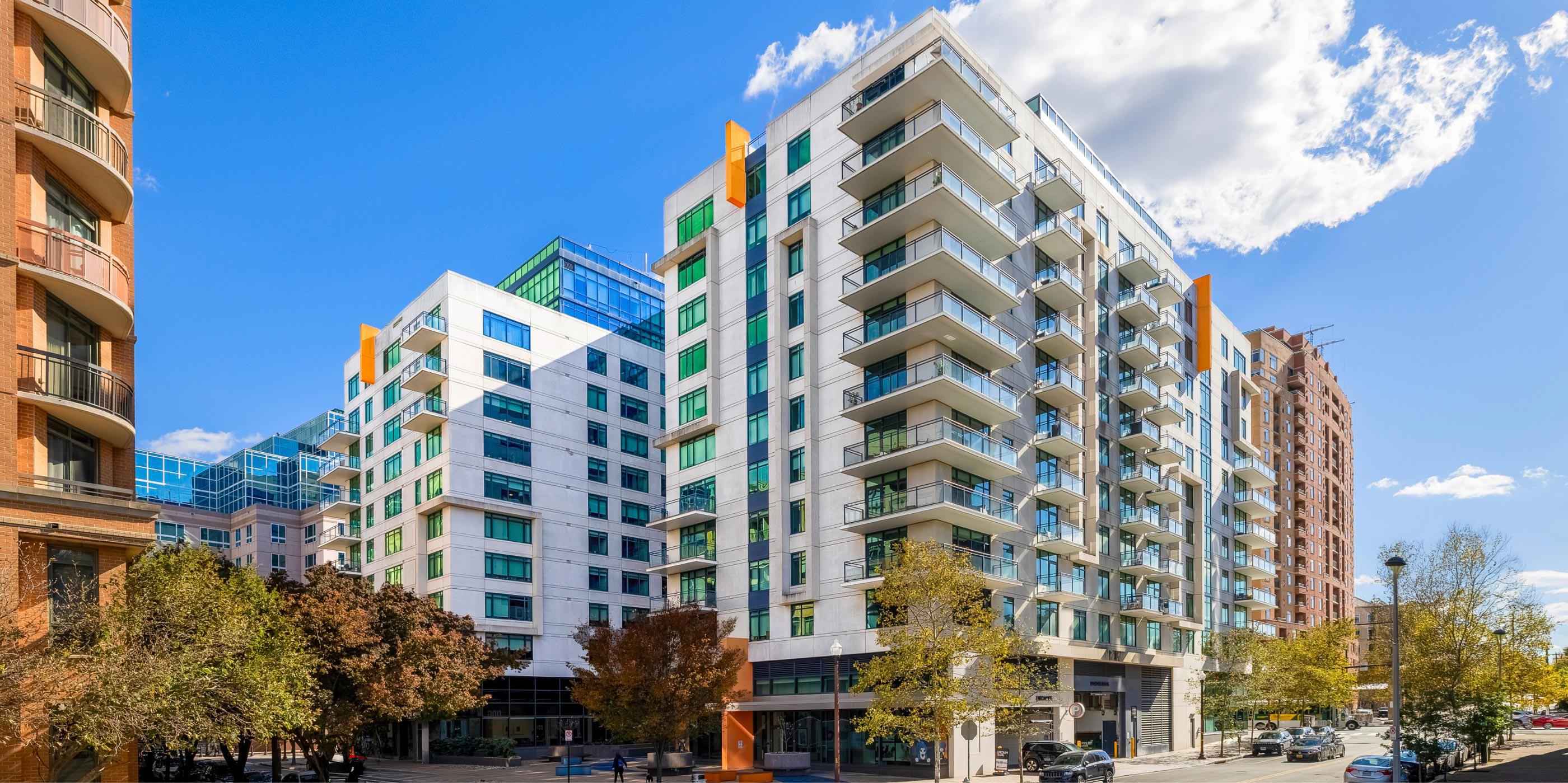
Virginia Square strikes a balance. It’s clearly urban, with mid- and high-rise buildings near the Metro, but tree-lined streets, pocket parks, and nearby trails soften the density. Compared to Ballston, it often feels slightly quieter and greener at street level, especially along residential blocks.
Who lives in Virginia Square?
Virginia Square tends to attract professionals who want an easy Metro commute, grad and law students connected to the George Mason University Arlington campus, and long-time Arlington residents who prefer a quieter, established neighborhood feel over a nightlife-centric scene.
Is it popular with professionals, students, or families?
All three, but in different ways. Professionals and first-time Arlington residents often choose Virginia Square for the Orange/Silver Line access and relative calm between Ballston and Clarendon. GMU students and faculty add an academic layer, especially around class times and events. Nearby schools and parks bring in families, particularly around Washington-Liberty High School and its aquatics center just north of the neighborhood.
What arts or cultural attractions are nearby?
The standout is the Museum of Contemporary Art Arlington (MoCA Arlington), a free contemporary art museum housed in a historic school building right in Virginia Square. It hosts rotating exhibitions, artist residencies, classes, and public programs like “Yoga in the Galleries,” making it an easy go-to for creative downtime. Arlington Central Library is another cultural anchor, with lecture series, author talks, and community events just a short walk from the Metro.
Who is Virginia Square best for?
Virginia Square is a strong fit if you want urban convenience without being in the loudest, busiest part of Arlington. It works well for people who like to walk to the Metro, parks, cafés, and cultural spots, but prefer a home base that feels a little more residential and less nightlife-driven.
Is it a good neighborhood for first-time Arlington residents?
Yes. For someone moving to Arlington for the first time, Virginia Square offers an easy “on-ramp”—you get straightforward Metro access, everyday amenities, and clear connections to neighboring hubs like Ballston and Clarendon, without having to commit to a 24/7 entertainment district. It’s simple to explore the rest of the Rosslyn–Ballston corridor from here and then decide how far into the action you want to go.
How does it compare to living in Ballston, Courthouse, or Clarendon?
Compared to Ballston, Virginia Square feels a bit calmer and more residential, with fewer office towers and big-box retail but an easy walk or one-stop Metro ride to Ballston Quarter. Courthouse leans more civic (courthouse, county buildings, big cinema), and Clarendon is the clear pick if you want late-night energy and a dense cluster of bars and restaurants. Virginia Square sits in the middle—quiet enough for weeknights in, connected enough that you can be in any of those neighborhoods in a few minutes.
What do residents miss—or not miss—about living closer to downtown D.C.?
You might miss being able to walk to Smithsonian museums, the National Mall, or buzzy downtown D.C. restaurant corridors. But many residents don’t miss the trade-offs that come with that: higher rents for less space, more street noise, and longer grocery or errand runs. In Virginia Square, you still get a one-seat Metro ride into the city when you want it, then come home to a quieter, more neighborhood-scaled environment at the end of the day.